Painless laser dentistry
Laser Dentistry
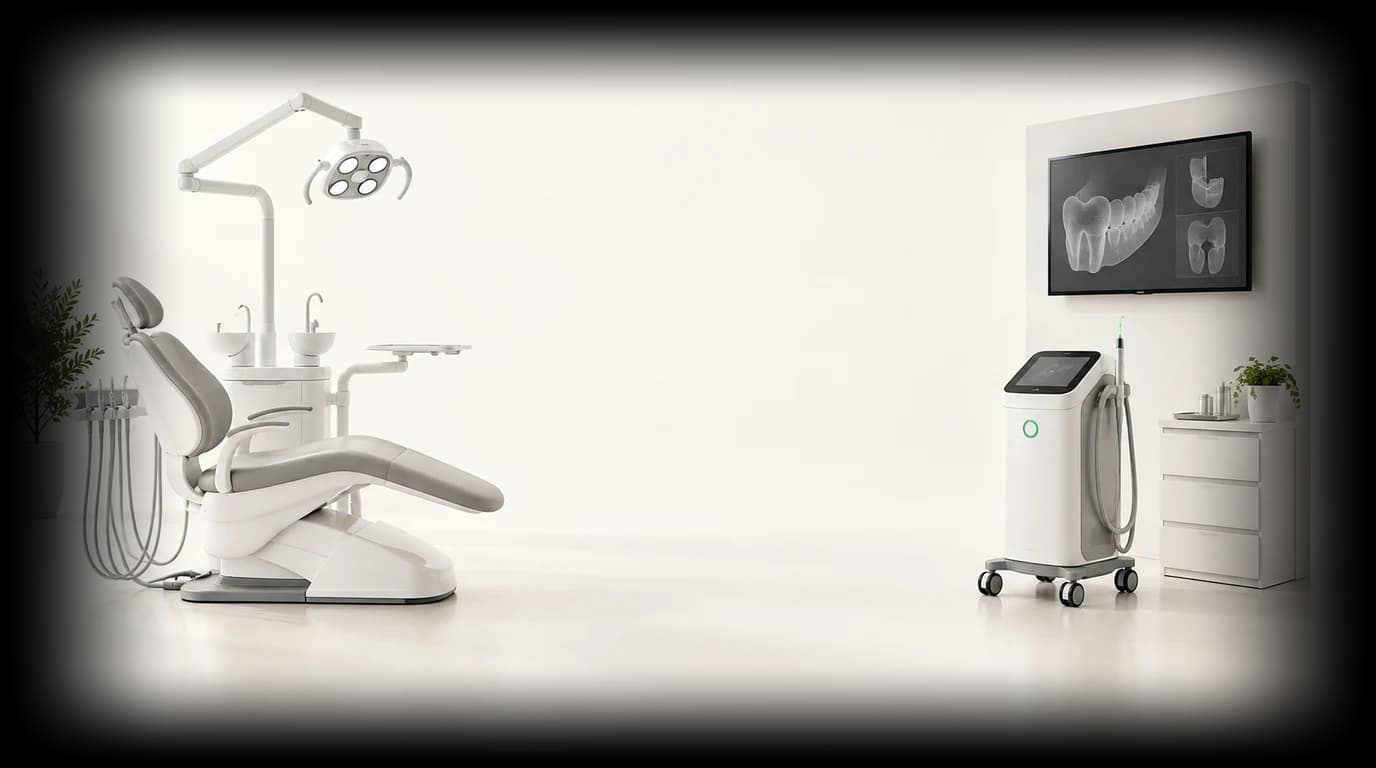
The drill stays in the drawer. An Erbium YAG laser (a light tool for teeth and gums) does the work a drill used to do. No drill sound, often no numbing.
Is this for you?
Start with what you feel.
- You need a filling and the thought of the drill or the injection puts you off.
- Your gums bleed, feel sore or need treatment.
- You need a root canal (treatment inside an infected tooth).
- Your child needs dental work and you want it to be calm.
- You have diabetes (high blood sugar) and need careful gum care.
- You have a dental implant (an artificial tooth root) and the gum around it is sore.
What actually happens
Quiet, precise, and you are in control.
- 1
He looks and listens.
Dr. Yavagal asks about pain, sensitivity and past visits, then checks the teeth and gums. The clinic's AI-guided scan (a computer that reads a scan of the whole mouth) shows him every tooth at once.
- 2
You see the plan.
He shows you which tooth or gum area needs care and whether the laser suits it.
- 3
The laser does the work.
The light removes only what needs removing. No drill sound, no vibration. A numbing injection is often not needed. He uses one when it is kinder.
- 4
You leave with plain aftercare.
He tells you what to expect, the aftercare, and when to come back.
Why a laser
The plain-words guide.
Erbium YAG laser
A dental laser that works on hard tissue (teeth) and soft tissue (gums). It is used for fillings, gum care, root canals and children's dentistry.
Minimally invasive
It removes as little healthy tissue as possible, so more of your own tooth stays.
Care around implants and for people with diabetes
Because there is less bleeding and less trauma to tissue, the laser is a gentle option for gums around implants and for people whose healing is slower.
For children
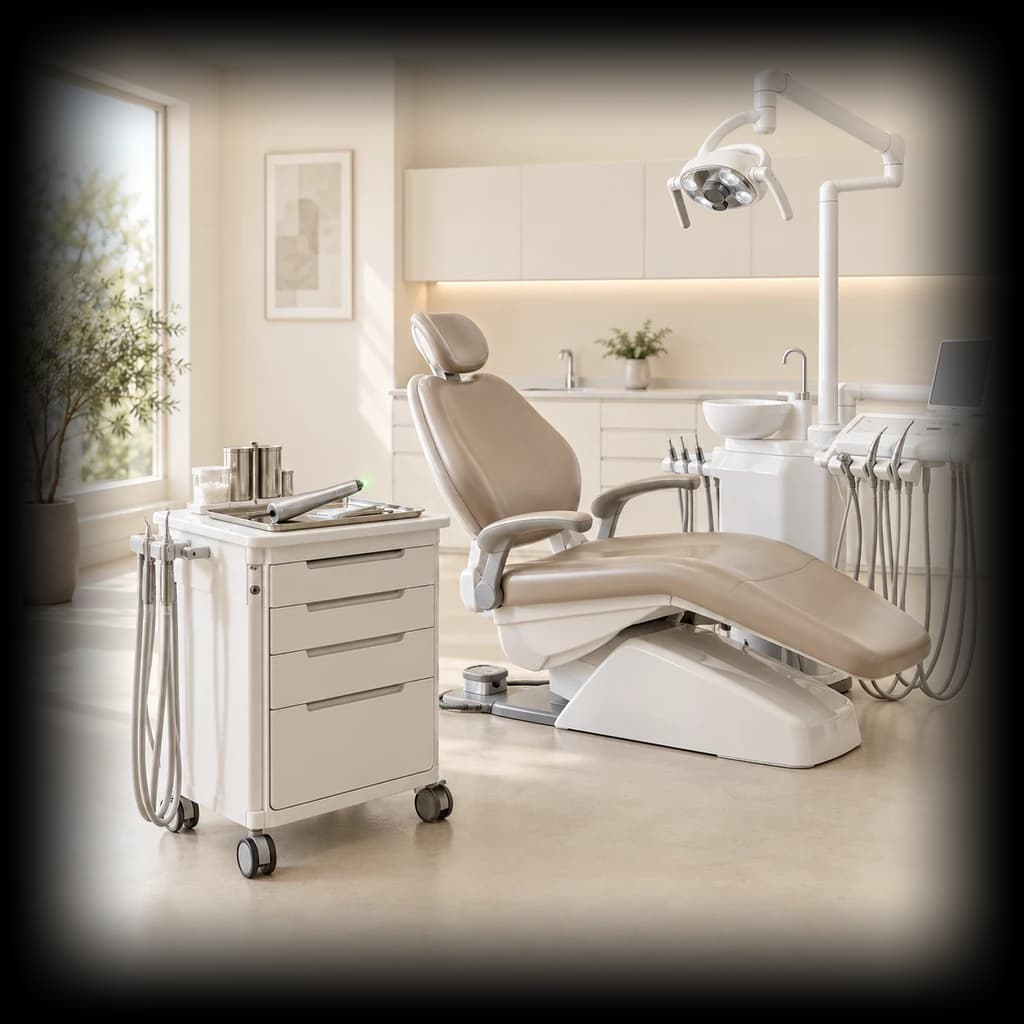
No drill sound. That changes everything.
Most children are not afraid of the dentist. They are afraid of the noise. Take the noise away, and often the injection too, and a child sits calmly through a filling. Dr. Yavagal is a paediatric dentist (a dentist for children) first. This is how he has treated children for 22 years.
How laser dentistry works
See where the laser works. Spin the tooth.
Turn the molar and choose a label. Each one explains a tooth layer or the laser in plain words.
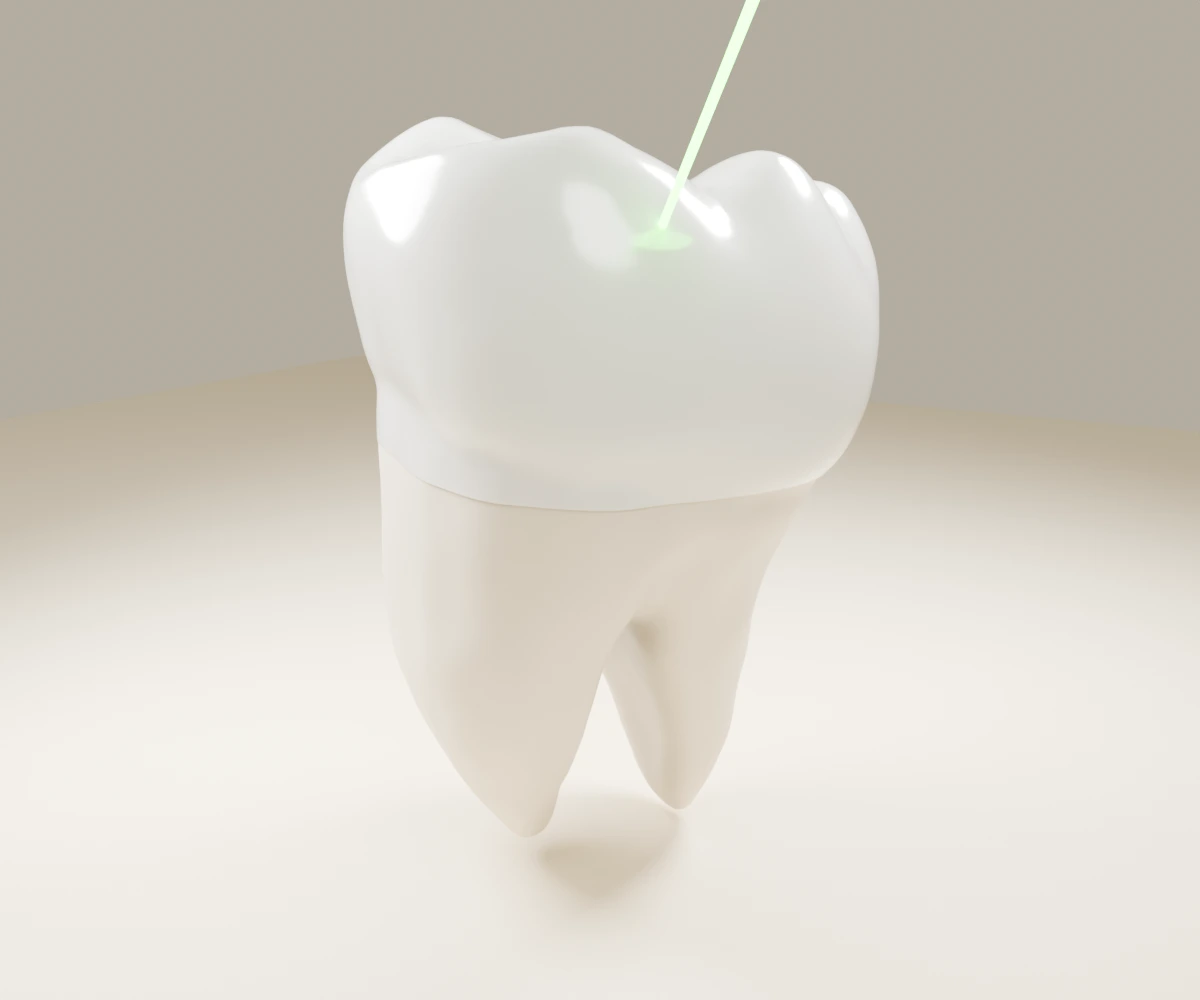
A still view of the molar and laser point.
Enamel
The hard outer shell
Enamel is the white outer layer of the tooth and the hardest part of the body. The Er:YAG laser (a light tool for teeth and gums) works on this layer. Short pulses of light and a water spray treat decay without the sound of a drill, and a numbing injection is often not needed.
Tooth guide
- Enamel
- Dentin
- Pulp
- Gum line
- Er:YAG laser
Questions people ask
What to know before you book.
Will I need a numbing injection?
Does it sound like a drill?
Can the laser do fillings and root canals?
Is it safe for children?
I have diabetes. Can I have laser gum care?
Will healing be faster?
Ask him about your tooth from home.
Show him the tooth on a video consult. He tells you whether the laser suits it and what the visit will be like.