A patch, a sore, a worry
Oral cancer Screening / Mouth Cancer Scans / Tobacco De-addiction
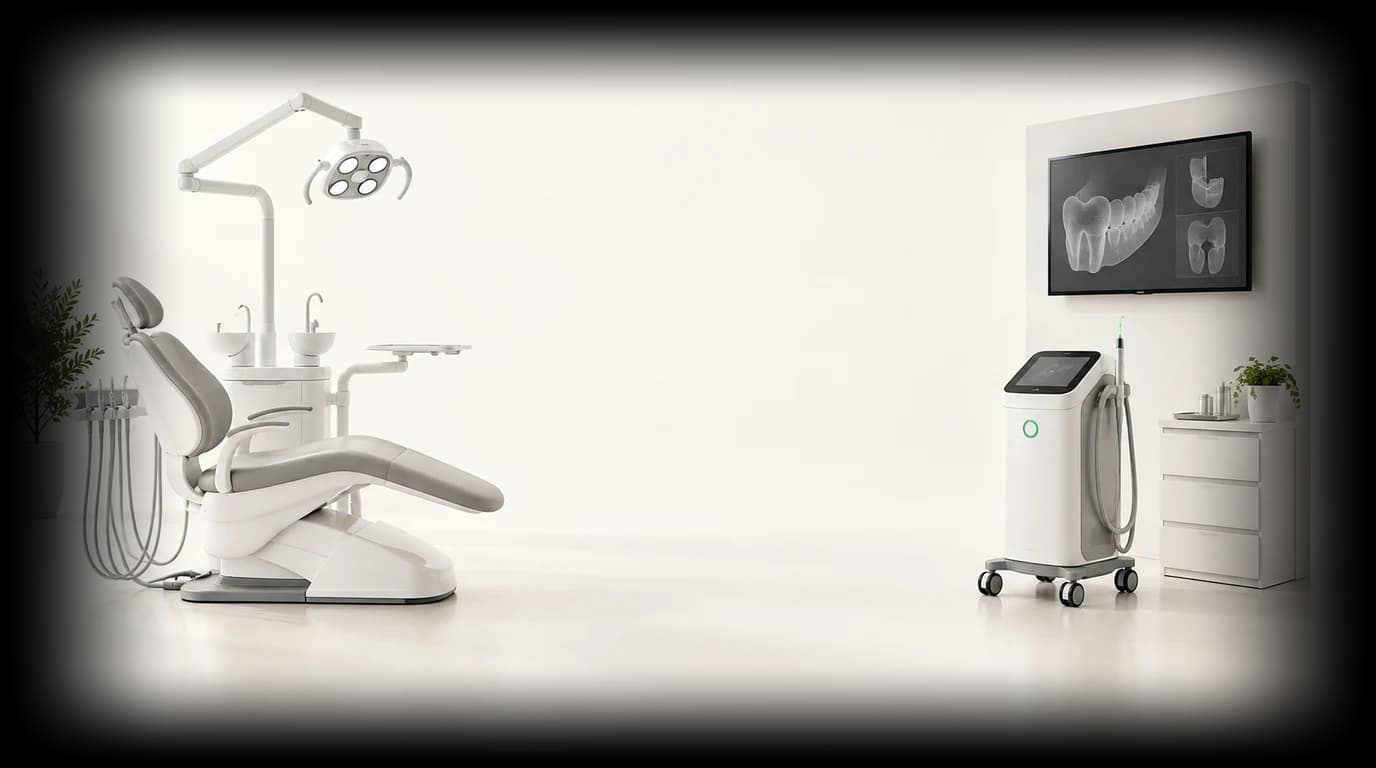
A five minute check. A clear next step. A sore, a patch or a lump deserves a careful look. Five minutes with blue light, nothing cut, and you know your next step.
Is this for you?
Start with what you have noticed.
- A mouth ulcer (an open sore) that is not healing.
- A white or red patch inside the mouth that does not wipe away.
- A sharp tooth that keeps making a wound in the same place.
- A lump or thickening in the mouth, jaw or neck.
- You smoke, chew tobacco, or chew betel or areca products.
- You want to stop smoking or chewing tobacco and nothing has held so far.
- Someone in your family has had cancer.
What actually happens
Five minutes, and you see what he sees.
- 1
He asks and looks
Dr. Yavagal asks about the sore, your habits and your family history, then looks at the whole mouth.
- 2
The blue light
The light is passed over the area. Early changes in the tissue show up in a different colour. It takes about five minutes and nothing touches broken skin.
- 3
You see the result together
He shows you what the light found and explains it in plain words, during the same visit.
- 4
A clear next step
You hear the options before you leave. If a biopsy (a tiny piece of tissue tested in a laboratory) is needed, he tells you plainly and arranges it.
Why a light check
The plain-words guide.
Blue Diode Fluorescence
A blue light that makes early changes in the mouth lining glow differently from healthy tissue, so the doctor can see what the eye alone misses.
Non-invasive
Nothing enters or cuts the body. No injection, no tissue removed, no waiting for a laboratory.
Photomedicine
Treatment with light. After looking, and only where it suits, he explains whether light treatment is an option alongside what your cancer team advises.
AI-guided oral scan
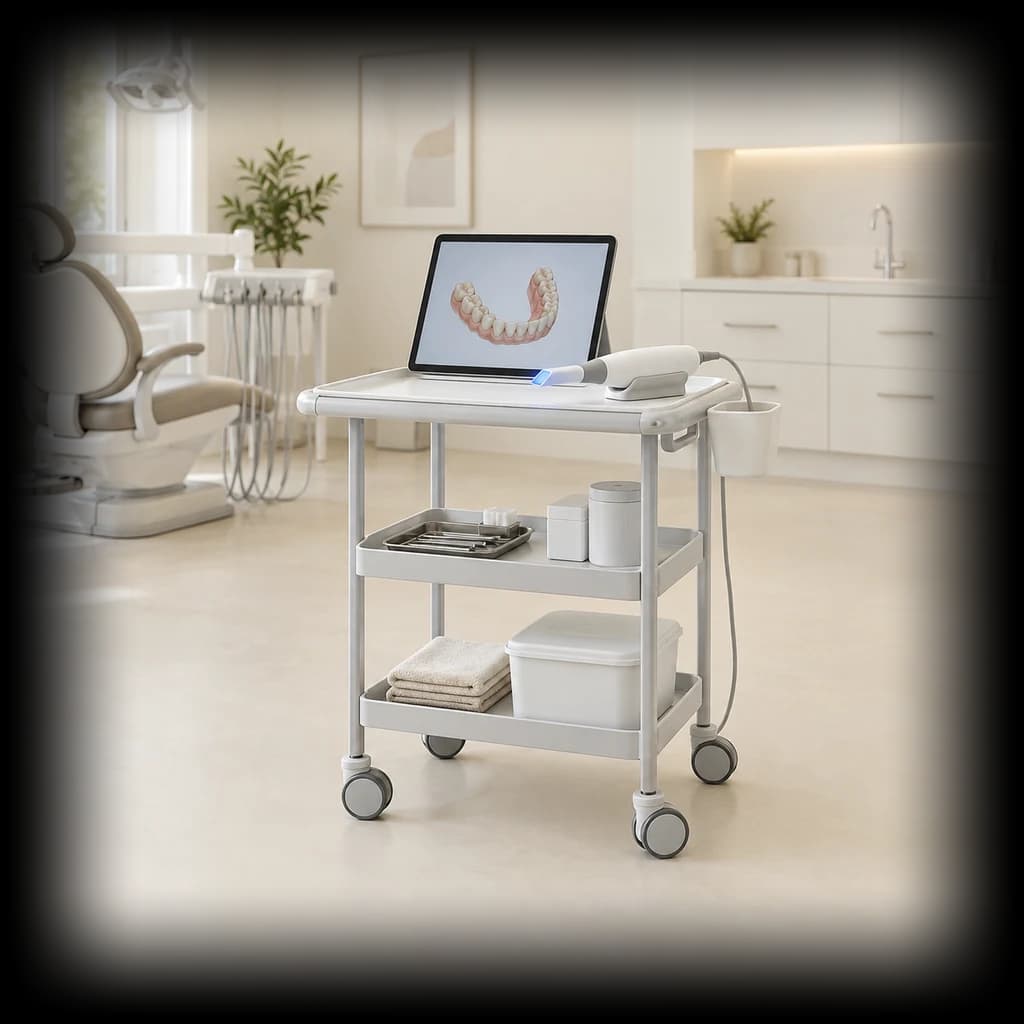
A computer reads a scan of the whole mouth and gives him a second look at anything the eye might miss.
In his words
LTD: Laser Tobacco De-addiction
Tobacco de-addiction is entering a new era with the emergence of non-invasive approaches such as Laser Auricular Medicine. By delivering low-intensity therapeutic laser stimulation to specific auricular points associated with neural pathways involved in craving, reward, stress, and autonomic regulation, this blood-free and drug-free approach aims to support the neurophysiological process of smoking and tobacco cessation. Unlike conventional methods that primarily focus on nicotine replacement or pharmacological control, laser auricular therapy seeks to address the behavioural and sensory dimensions of dependence, helping reduce cravings and supporting sustained abstinence. With repeated, protocol-based sessions, some patients may also experience a reduction in the appeal of tobacco, with diminished craving or an aversive response when exposed to tobacco-related cues. As an adjunct to behavioural counselling and established cessation strategies, Laser Auricular Medicine represents a simple, gentle and patient-friendly approach to modern tobacco de-addiction.
- laser auricular medicine: laser treatment on points of the outer ear.
- auricular points: specific spots on the outer ear.
- low-intensity laser: a low-power beam of light used for treatment.
- neural pathways: connections through which nerve cells send signals.
- craving: a strong urge to use tobacco.
- reward: the pleasure or relief that makes you want to repeat an action.
- autonomic regulation: control of automatic body functions, such as heart rate and digestion.
- neurophysiological: to do with how the brain and nerves work.
- nicotine replacement: products such as patches or gum that supply nicotine to ease urges while you stop tobacco.
- pharmacological control: using medicines to manage symptoms or urges.
- behavioural and sensory dimensions of dependence: the habits, tastes, smells and feelings that keep you wanting tobacco.
- sustained abstinence: staying tobacco-free over time.
- aversive response: an unpleasant feeling that makes you want to avoid something.
- adjunct: an extra treatment used alongside other care.
- behavioural counselling: support to change habits and manage urges to use tobacco.
If it is cancer
You will not be left alone with the word.
If the check or the biopsy shows cancer, Dr. Yavagal sits with you and explains what it means in plain words. He then works alongside your cancer team and looks after your mouth through treatment.
Mouth care during cancer treatment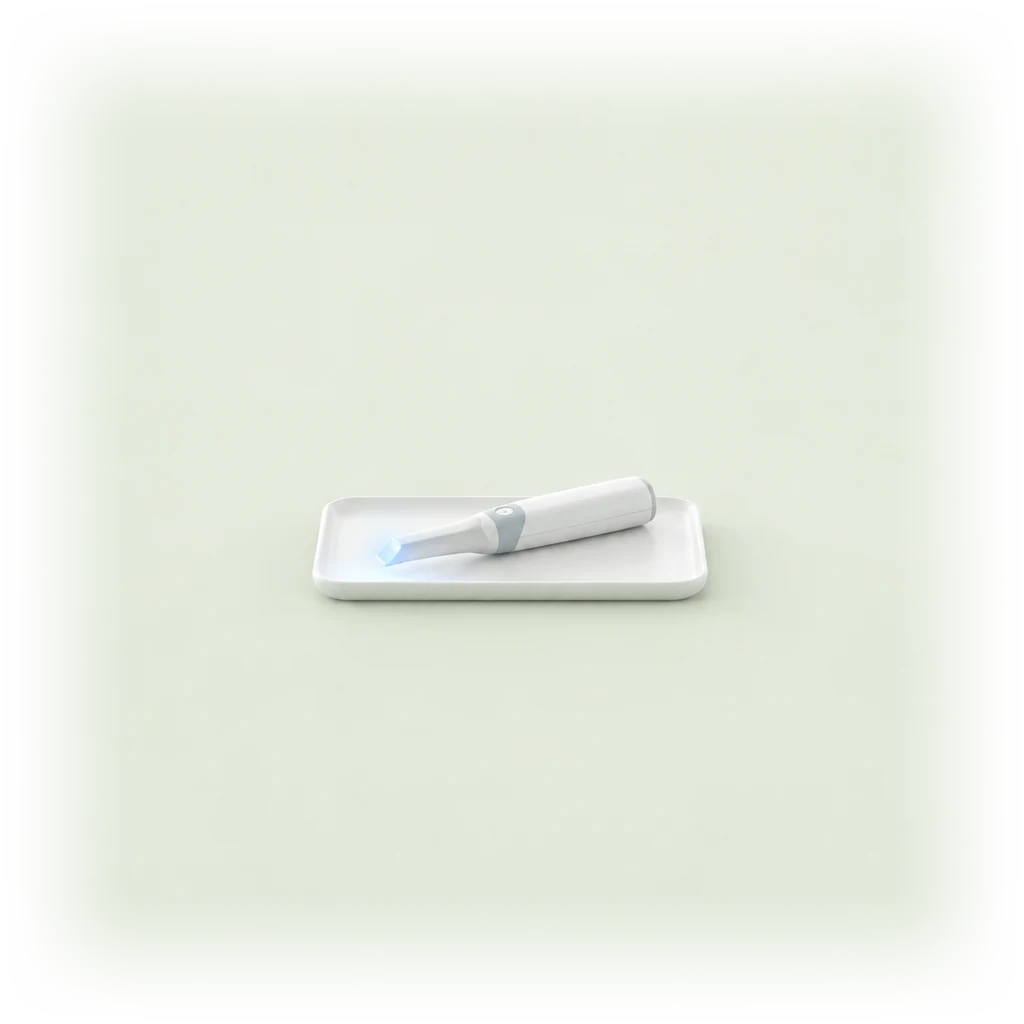
Questions people ask
What to know before you book.
Can laser help me stop tobacco?
Does the check hurt?
How long does it take?
Do I get the answer the same day?
Is this the same as a biopsy?
I am scared it is cancer. Should I still come?
Can I start with a video visit?
Five minutes now beats weeks of worrying.
Show him the sore on a video consult today. He will tell you plainly what to do next.